EXPERT GUIDANCE
Is Lone Star Pups a Broker? Process, Standards +more
Published Wednesday, February 25, 2026 by Lone Star Pups in Dog Care & Safety, Dog News, New Puppy
Choosing a puppy is one of the most meaningful decisions a family can make, and it’s also one that deserves complete honesty from everyone involved. In a world where hundreds of puppy websites appear online, it’s natural for thoughtful buyers to pause and ask: Who are the people behind these listings? How do they work? And are they truly connected to the puppies they advertise?
At Lone Star Pups, we hear those questions often, and we appreciate them. Transparency is the foundation of trust, and trust is the foundation of every successful placement. One of the most common questions we’re asked is: “Is Lone Star Pups a puppy broker?”
It’s an understandable question. The word broker carries weight in the puppy world. For many people, it’s associated with mass marketing or distant intermediaries who never meet the puppies they list. Unfortunately, that kind of model has led to disappointment, and sometimes heartbreak, for families who thought they were buying from a caring, responsible source.
Lone Star Pups was founded on a simple belief: that families deserve a transparent, ethical, and hands-on way to find a healthy puppy from a responsible breeder they can trust. We don’t believe in hiding behind vague terms or middlemen. We work with a select group of breeders who meet the highest standards of health, safety, and animal welfare.
This article explains exactly how that relationship works. We’ll outline how our process differs from that of a broker, what “broker” actually means in the pet industry, and how we ensure every puppy placed through Lone Star Pups is healthy, responsibly raised, and ethically cared for from birth to homecoming.
Our goal is to give you the transparency you deserve, because an informed customer is the best kind of customer. And if you decide to welcome a Lone Star Pups puppy into your life, we want you to do it with complete confidence in who we are, what we do, and how seriously we take our responsibility to every puppy and every family.
Table of Contents
- What “Broker” Means in the Puppy World
- How Lone Star Pups Works — Our Full Process
- Our Relationship With Breeders
- Health, Safety, and Transparency — What Sets Us Apart
- Why Lone Star Pups Is Not a Broker
- How We Support Families After Homecoming
- How to Evaluate Any Puppy Seller — What Responsible Buyers Should Look For
- Final Thoughts: A Clear Answer to the Broker Question
What “Broker” Means in the Puppy World
Before we can answer whether Lone Star Pups is a broker, it’s important to define what that word actually means, because in the puppy industry, it’s often used broadly, emotionally, and sometimes inaccurately.
In the most basic sense, a broker is a middle party who facilitates a transaction between a seller and a buyer. In many industries like real estate, insurance, even livestock, brokers play a legitimate and regulated role. However, in the context of puppies, the term has developed a more specific and often negative meaning.
In the puppy world, a broker is typically understood to be a business or individual who:
- Purchases puppies from breeders in bulk and resells them
- Lists puppies without direct knowledge of how they were raised
- Has no relationship with the breeder
- Does not oversee health protocols or living conditions
- Operates primarily as a sales channel rather than a welfare-focused partner
In some cases, there are no breeder oversight systems in place. Brokers may rely on third-party wholesalers or auction systems. Because of that distance, there can be gaps in accountability, particularly when it comes to health standards, parent genetics, or early socialization practices.
That lack of transparency is what concerns many families. And it should.
When a family welcomes a puppy into their home, they’re committing to 10 to 15 years of care, companionship, and responsibility. They want to know:
- How was this puppy cared for?
- How were the parents cared for?
- Has the breeder been vetted?
- Who is standing behind this placement?
If those answers are unclear, the word “broker” often becomes shorthand for “unknown” or “unaccountable.”
Learn About Standards, Health & Oversight At Lone Star Pups
Why the Question Matters to Responsible Buyers
The reason customers ask, “Is Lone Star Pups a broker?” isn’t about semantics. It’s about assurance.
Over the past decade, the growth of online puppy platforms has changed how families search for dogs. While this has made it easier to connect with breeders across the country, it has also made it harder to distinguish between:
- Ethical breeder partnerships
- Large-scale resellers
- Drop-shipping-style listings
- High-volume wholesalers
- Responsible placement services
The average family cannot physically visit multiple breeders across different states. They rely on the platform they’re working with to provide truthful representation and meaningful oversight. That’s where clarity becomes essential.
If a company is acting as a detached reseller, customers deserve to know that. If a company is involved in breeder oversight, health standards, and placement, that distinction matters just as much.
At Lone Star Pups, we believe definitions should be precise and accountability should be visible. That’s why we’re careful not to blur roles or hide behind industry terminology. The structure of a business model directly affects animal welfare, health outcomes, and customer experience. And understanding what a broker typically does allows you to evaluate any company, including us, with informed eyes.
RELATED: The 11 Most Common Questions People Ask About Lone Star Pups Answered Honestly
How Lone Star Pups Works — Our Full Process

Now that we’ve defined what a broker typically does, the most responsible way to answer the question: “Is Lone Star Pups a broker?” is to explain how our structure works.
Our model is not passive, hands-off, or transactional. It is structured, standardized, and actively managed from the inside.
1. We Establish and Enforce the Standards
When a breeder joins our network, they do not operate independently under their own system. They operate under ours. We establish clear, non-negotiable standards that cover:
- Parent dog health testing protocols
- Approved breeding pair selections
- Genetic screening requirements
- Veterinary oversight
- Environmental conditions and housing specifications
- Nutrition programs
- Early neurological stimulation and structured socialization
Parent dogs are health tested through OFA (Orthopedic Foundation for Animals) standards as part of our program. This is not optional or left to breeder discretion. Testing is coordinated and verified through our system to ensure consistency and traceability.
Breeding pair decisions are also guided by health, temperament, and structural considerations, not convenience or volume. We evaluate lineage, testing results, and compatibility before approving any pairing.
The framework exists before the litter ever does. See Our Breeder Standards
2. Breeders Become Part of Our Program — Not Independent Suppliers
Once accepted, breeders become part of Lone Star Pups’ operational network.
That means:
- Ongoing visits that may be scheduled or unannounced
- Veterinary oversight conducted through our veterinary partners
- Standardized record-keeping and documentation
- Equipment and environmental upgrades aligned with our specifications
We provide structured guidance and, when necessary, updated resources and equipment to maintain consistent quality across every location.
This integrated approach eliminates the uncertainty that often exists in broker-style systems, where breeders may operate independently without centralized oversight. Our goal is consistency because it protects both puppies and families. Learn about our Code of Ethics.
3. Veterinary Oversight Is Centralized
Health is not verified at the end of the process. It is monitored throughout.
Our veterinarian performs:
- Parent dog health evaluations and testing
- OFA-related screenings
- Litter health assessments
- Pre-placement examinations
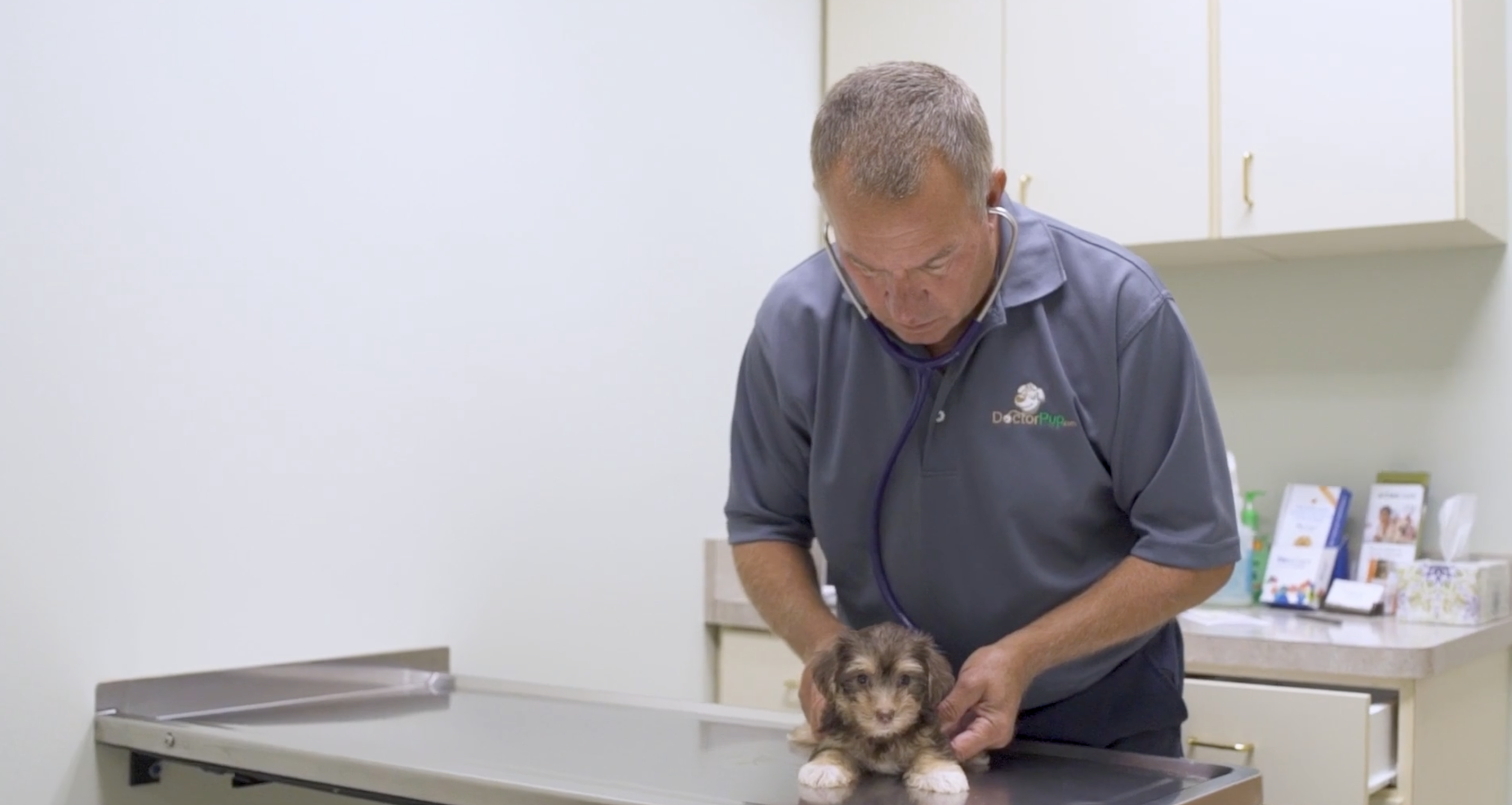
Each puppy is examined prior to going home, and documentation is generated through our structured system. Because veterinary care is coordinated through Lone Star Pups, families are not relying on variable third-party documentation. Oversight is standardized. Learn about Puppy Health at Lone Star Pups.
4. Structured Early Development and Socialization
The first eight weeks of a puppy’s life shape long-term behavior. For that reason, we implement structured early development protocols that include:
- Age-appropriate neurological stimulation
- Exposure to common household sounds
- Gradual environmental enrichment
- Gentle human handling routines
These are not informal suggestions. They are part of the care framework every breeder in our program follows. Consistency during early development reduces stress, supports confidence, and helps puppies transition more smoothly into family homes. See our detailed Puppy Development Plan.
5. Accountability Continues Through Placement
When a family reserves a puppy, we remain actively involved. We coordinate:
- Final health verification
- Documentation transfer
- Safe, compliant travel logistics
- Post-placement follow-up
Because breeders operate within our system, there is no ambiguity about who is responsible for standards, documentation, or oversight. That clarity is intentional.
Why This Structure Matters
When families ask, “Is Lone Star Pups a broker?” what they’re often trying to understand is whether the company they’re working with truly controls the quality of care, or they simply lists puppies raised under unknown conditions.
Our structure is built around active oversight, defined standards, and veterinary integration. We do not operate as a middle layer between unknown breeders and families. We operate as a managed, standards-driven program where breeders are part of our system, health testing is coordinated through our framework, and accountability is ongoing.
RELATED: Why Puppy Reservation Through Lone Star Pups Feels Different (and Safer)
Our Relationship With Breeders
Structure and standards are important but those alone doesn’t build trust. Relationships do.
At Lone Star Pups, our work with breeders is not short-term or volume-driven. It is built on continuity. Many of the breeders in our program have been with us for years. That longevity matters, because it allows us to understand not just how a facility looks on a single visit, but how it performs over time. And consistency is one of the strongest indicators of responsible breeding.
When oversight exists, patterns become visible. We see how dogs mature, how litters develop, and how environments are maintained across seasons. This level of familiarity cannot be achieved in a transactional model where breeders come and go.
A Unified Program, Not Independent Operations
While each breeder operates from their own location, they are not operating in isolation. They function within a shared system with consistent expectations, documentation standards, and communication channels.
Because of this unified structure:
- Records are traceable and centralized
- Health histories are accessible and documented
- Breeding timelines are monitored
- Parent dogs remain visible within the program over time
This continuity allows us to evaluate long-term outcomes and not just individual litters. We can assess trends in health, temperament, and structural development across generations.
That kind of longitudinal oversight is simply not possible in a brokerage environment where sourcing shifts frequently.
Ongoing Dialogue and Accountability
A healthy program requires ongoing communication. Our relationship with breeders includes regular review discussions about compliance and improvement. We evaluate outcomes, discuss observations, and refine processes when necessary. The goal is not static compliance, but continuous refinement.
If adjustments need to be made, whether environmental, procedural, or structural, they are implemented through our system.
Accountability works both ways. Breeders rely on us for guidance and support, and we rely on them for daily excellence in care. That mutual responsibility creates alignment.
Why Long-Term Integration Protects Families
For families, the benefit of this relationship model is stability. When you reserve a puppy through Lone Star Pups, you are not entering into a one-time transaction with an unknown source. You are participating in a program with documented history, monitored standards, and ongoing oversight.
That stability means:
- Fewer unknown variables
- Clear responsibility channels
- Documented lineage and care history
- Predictable standards across litters
Trust is built over time. And so is responsible breeding.
RELATED: Lone Star Pups Breeders: Why Ethical Breeders Matter More Than Ever
Health, Safety, and Transparency — What Sets Us Apart
Standards and oversight matter internally, but for families, what matters most is what they can see, verify, and rely on.
When someone asks, “Is Lone Star Pups a broker?” the underlying concern is usually this: Will I have clear, documented proof that my puppy is healthy, responsibly raised, and ready for my home? That’s where transparency becomes practical, not theoretical.
Documented Health Records for Every Puppy
Before a puppy transitions to its new home, families receive complete health documentation that includes:
- Date-of-birth verification
- Vaccination records appropriate to age
- Deworming schedule
- Veterinary examination report
- Microchip information (where applicable)
These records are generated within our system and reviewed before release. Families are not left to interpret vague notes or incomplete paperwork. Documentation is structured and consistent.
Clear records protect both the puppy and the family. They also allow your local veterinarian to continue care seamlessly.
Placement Readiness Is Determined, Not Assumed
A puppy being available does not automatically mean a puppy is ready. Before placement, we confirm that each puppy:
- Meets minimum age/weight requirements
- Is developmentally stable
- Is eating independently and consistently
- Has completed required veterinary checks
- Shows appropriate temperament markers for transition
Readiness is evaluated based on objective criteria, not scheduling convenience. This protects families from receiving puppies too early and protects puppies from unnecessary stress during a critical developmental window.
Safe and Structured Transportation
If a family requires transport, safety remains the priority. Travel is coordinated using our regulated transport options that adhere to animal welfare standards. Puppies are never transported in bulk cargo environments or through unverified channels. We provide clear communication regarding travel timelines, pickup procedures, and arrival expectations. Families know when their puppy is leaving, how it is traveling, and when it will arrive.
Clarity reduces anxiety for both the puppy and the family waiting at home.
Open Communication Throughout the Process
Transparency also means accessibility. Families are able to:
- Ask questions about their puppy’s background
- Request clarification on health documentation
- Receive updated photos or progress information
- Speak with our team directly about concerns
We do not operate behind automated systems or anonymous ticketing queues. Questions are answered by individuals familiar with the program and the placement process.
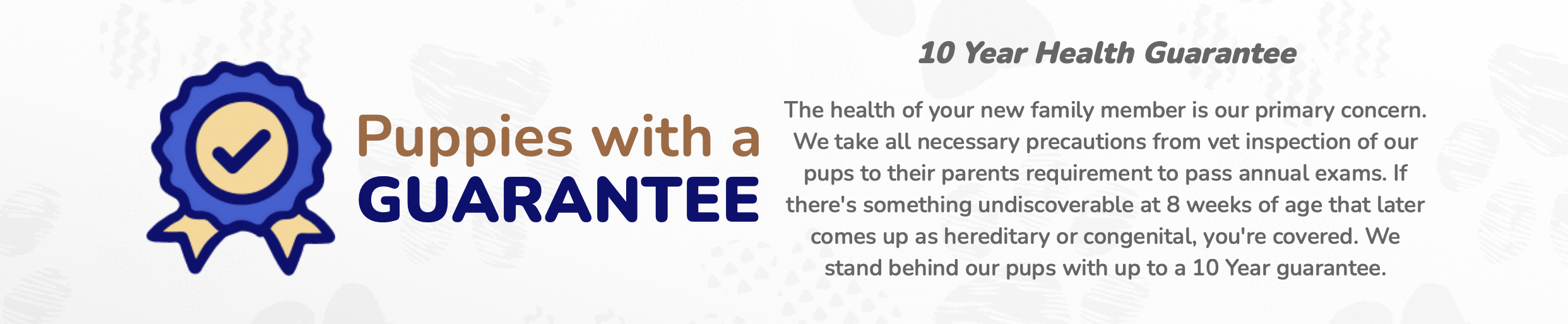
A Written Health Guarantee
Every placement includes a clearly defined health guarantee outlining:
- Coverage terms
- Timeframes
- Required veterinary follow-up
- Steps to take if concerns arise
The purpose of a health guarantee is accountability. It formalizes responsibility and establishes clear expectations on both sides because ambiguity benefits no one, but clarity protects everyone.
Why Transparency Is the Deciding Factor
In a brokerage model, visibility is often limited. Information may be fragmented between parties, and documentation may vary from breeder to breeder. In a structured program like ours, documentation, readiness standards, communication, and accountability are unified.
Families are not expected to “take our word for it.” They receive structured proof. That difference is often what ultimately answers the question.
RELATED: Is Lone Star Pups a Puppy Mill? 26 of the Best Reasons Why We Are Not A Puppy Mill
Why Lone Star Pups Is Not a Broker
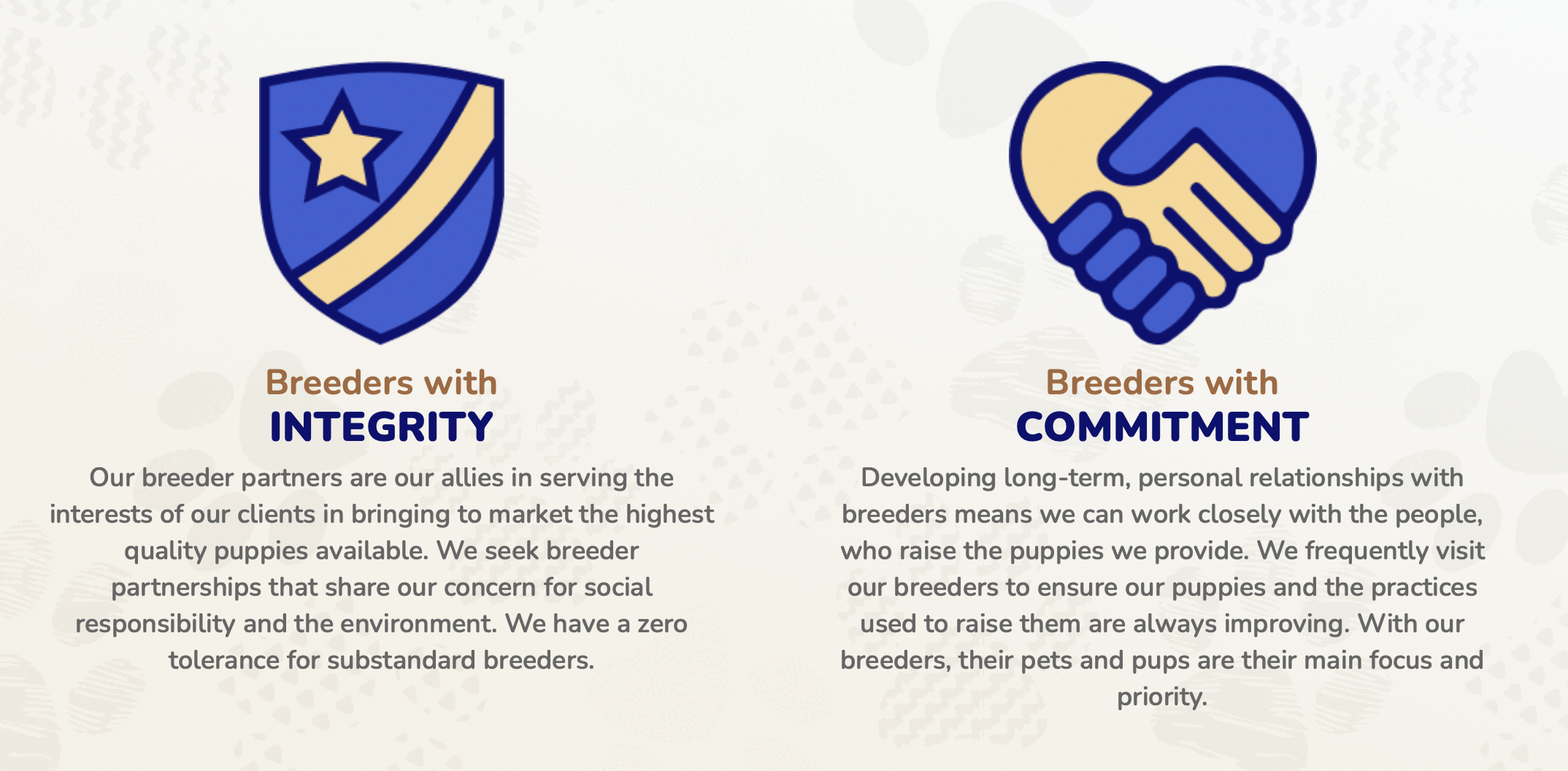
A broker operates as an intermediary between independent breeders and buyers. Oversight is limited. Standards vary by source. Responsibility is often divided. That is not how Lone Star Pups functions.
Our role is not to locate puppies raised elsewhere, buy them and present them for resale. Our role is to operate and manage a unified breeding program with defined standards, centralized oversight, and documented accountability.
In a brokerage model:
- The platform connects supply and demand without ever seeing a puppy.
- Breeders operate independently under their own protocols.
- Health documentation varies by source.
- Oversight may occur at intake, but not continuously.
- Limited health guarantee.
In our model:
- Standards originate within our system
- Oversight is ongoing, not episodic. It includes internal oversight and third-party veterinary oversight.
- Veterinary evaluation is coordinated through our system.
- Documentation is uniform and reviewed before placement.
- Accountability remains centralized.
- 10-Year health guarantee.
Those distinctions are not semantic, they are operational. When families ask whether Lone Star Pups is a broker, they are usually trying to determine whether we are a listing service or a managed program. Whether we are detached from the breeding process or directly involved in it.
We are directly involved. But as an active, standards-driven organization responsible for the structure, health oversight, and placement integrity of every puppy in our program. That responsibility does not begin at listing and end at payment. It exists throughout the lifecycle of the program from parent health evaluation to final placement documentation.
RELATED: The Health Guarantee That Makes All The Difference When Buying a Puppy
How We Support Families After Homecoming
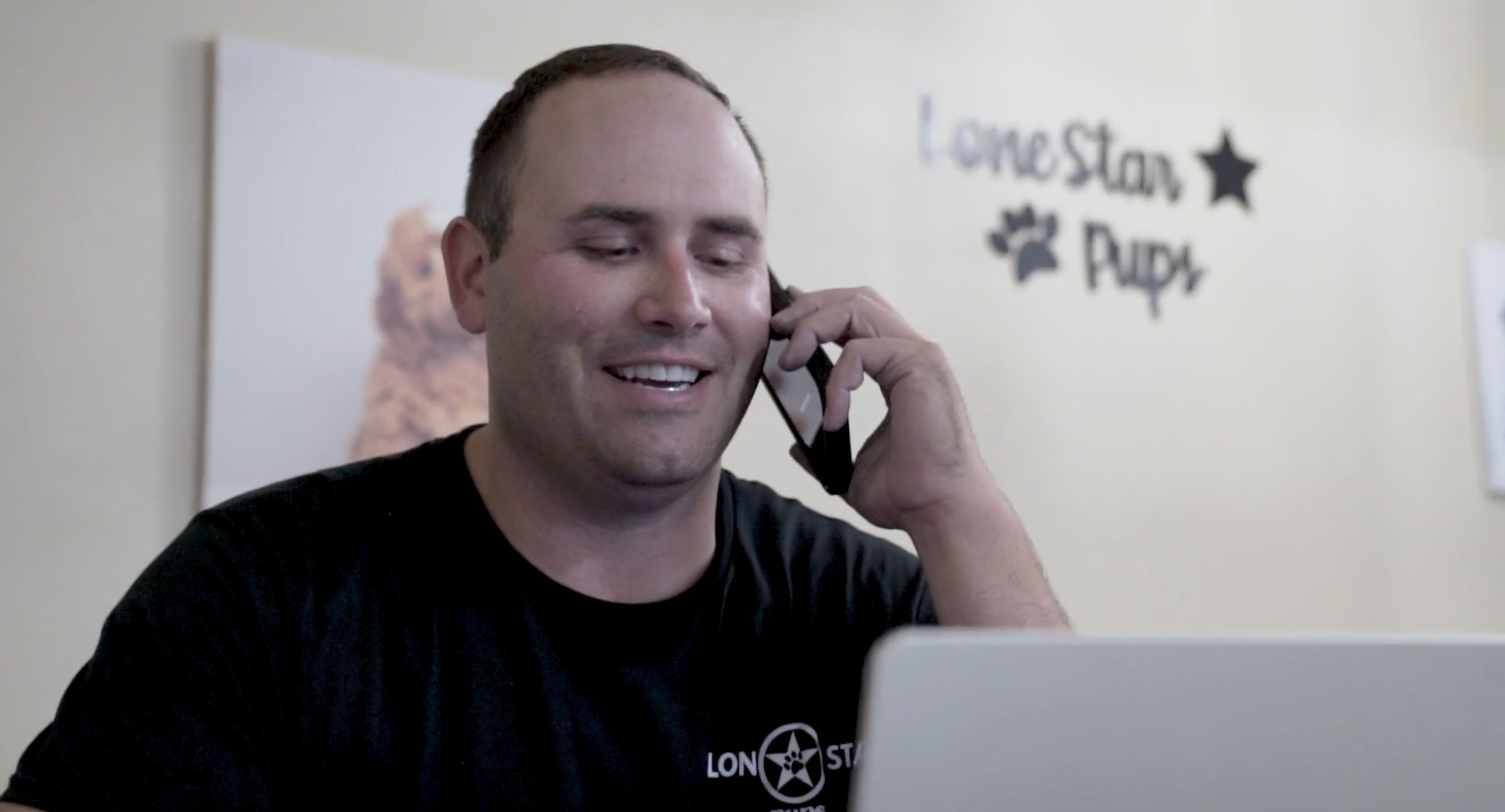
A responsible placement does not end when a puppy arrives home. The first days and weeks of transition are important, and we take that period seriously.
After each placement, we conduct follow-up calls to check on the puppy and the family. These conversations serve two purposes: to make sure the transition is going smoothly, and to answer any questions or concerns that naturally arise during those early days.
Bringing a puppy home is exciting, but it can also feel overwhelming. Changes in environment, feeding schedules, sleep routines, and crate introduction are all part of the adjustment process. Our follow-up allows us to confirm that the puppy is settling in well and that families feel confident moving forward.
These calls are not automated checkboxes. They are real conversations. We want to hear how the puppy is eating, sleeping, interacting, and adapting. Early insight allows small concerns to be addressed before they become larger ones.
Availability for Health Concerns and Emergencies
In addition to routine follow-up, we remain available if a family encounters a health-related concern, especially during the early transition period.
If something feels unusual or urgent, we guide families on the appropriate next steps, including veterinary evaluation when necessary. Because each puppy leaves our program with structured documentation, we are able to review health records and provide informed direction when questions arise.
Emergencies are never treated casually. If a family contacts us with a serious concern, it receives prompt attention.
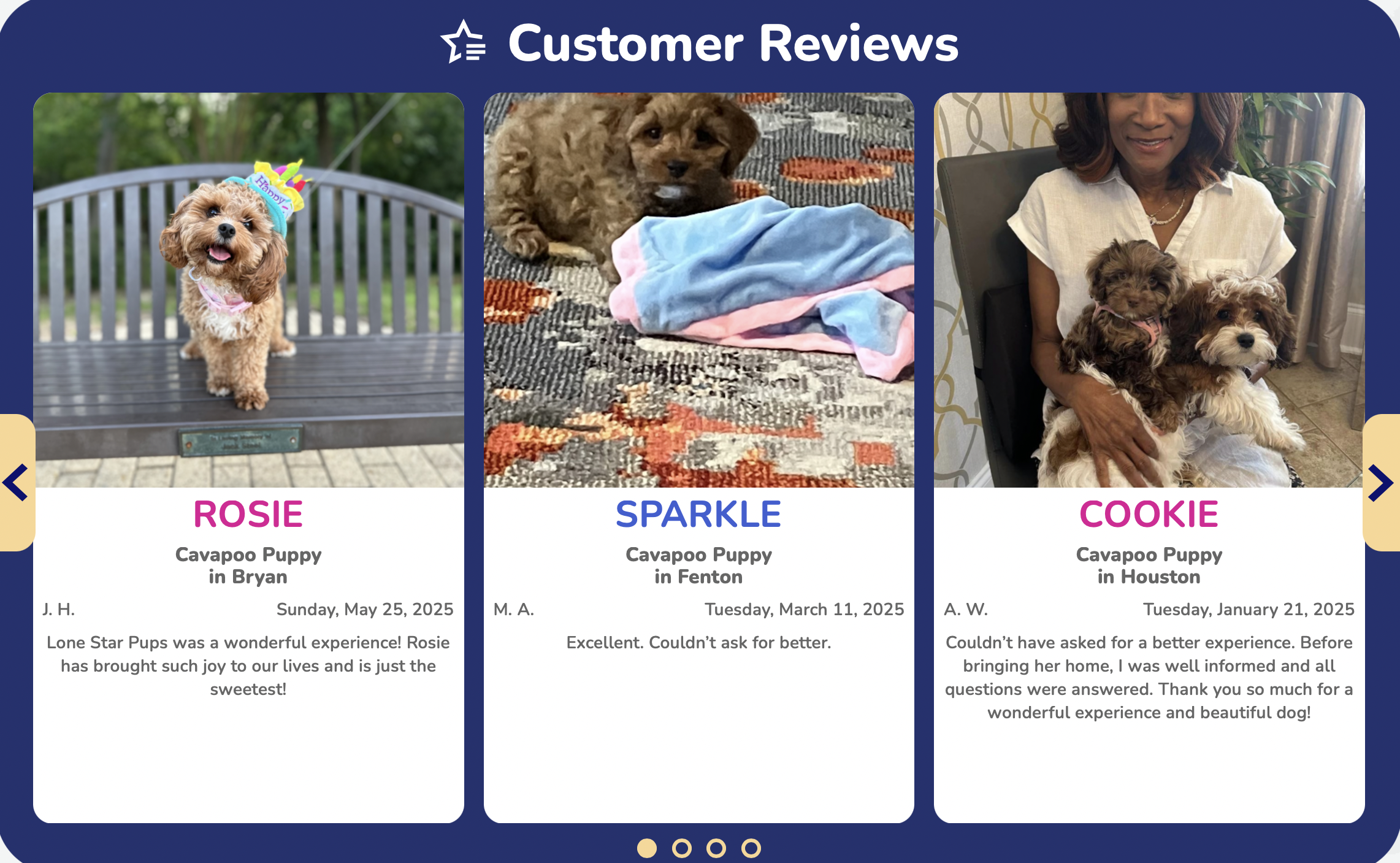
RELATED: What Real Families Say About Lone Star Pups: A Closer Look at Customer Stories
How to Evaluate Any Puppy Seller — What Responsible Buyers Should Look For
By this point, you’ve seen how Lone Star Pups operates. But whether you work with us or another organization, understanding how to evaluate a puppy seller is essential.
The question reflects a broader concern: how can families distinguish between structured, accountable programs and listing services?
Here are practical indicators that help clarify that difference.
1. Clear Oversight Structure
A responsible program should be able to explain who sets breeding standards and who enforces them. If standards vary widely between breeders or if oversight is unclear, that may indicate a marketplace-style model rather than a managed program.
Ask:
- Who determines health testing requirements?
- Who monitors breeding frequency?
- How often are breeders reviewed?
- Is veterinary oversight centralized or independent?
Clear answers reflect structure.
2. Consistent Documentation
Documentation should be standardized, not different from litter to litter. Responsible sellers provide:
- Organized health records
- Defined vaccination schedules
- Written guarantees with specific terms
- Traceable lineage information when applicable
If documentation appears inconsistent or incomplete, that’s worth examining further. Consistency signals system-wide standards.
3. Accountability After Placement
A seller’s responsibility should not end abruptly once payment is processed. Reputable programs provide:
- Post-placement follow-up
- Clear instructions for next veterinary steps
- Defined procedures if health concerns arise
If communication becomes difficult immediately after purchase, that’s a warning sign.
4. Transparency in Process
A responsible organization should be able to describe its structure. If a company cannot explain:
- How breeders are integrated into their system
- Who performs health testing
- How pairing decisions are made
- What oversight exists over time
then families are left filling in gaps on their own. Clarity builds confidence. Ambiguity creates risk.
5. Stability Over Time
Long-term consistency matters. Programs that frequently rotate breeders or rely on unknown sources may struggle to maintain predictable standards. Stability allows for accountability, generational tracking, and measurable outcomes.
RELATED: Inside the First 8 Weeks of a Lone Star Pups Puppy
Final Thoughts: A Clear Answer to the Broker Question
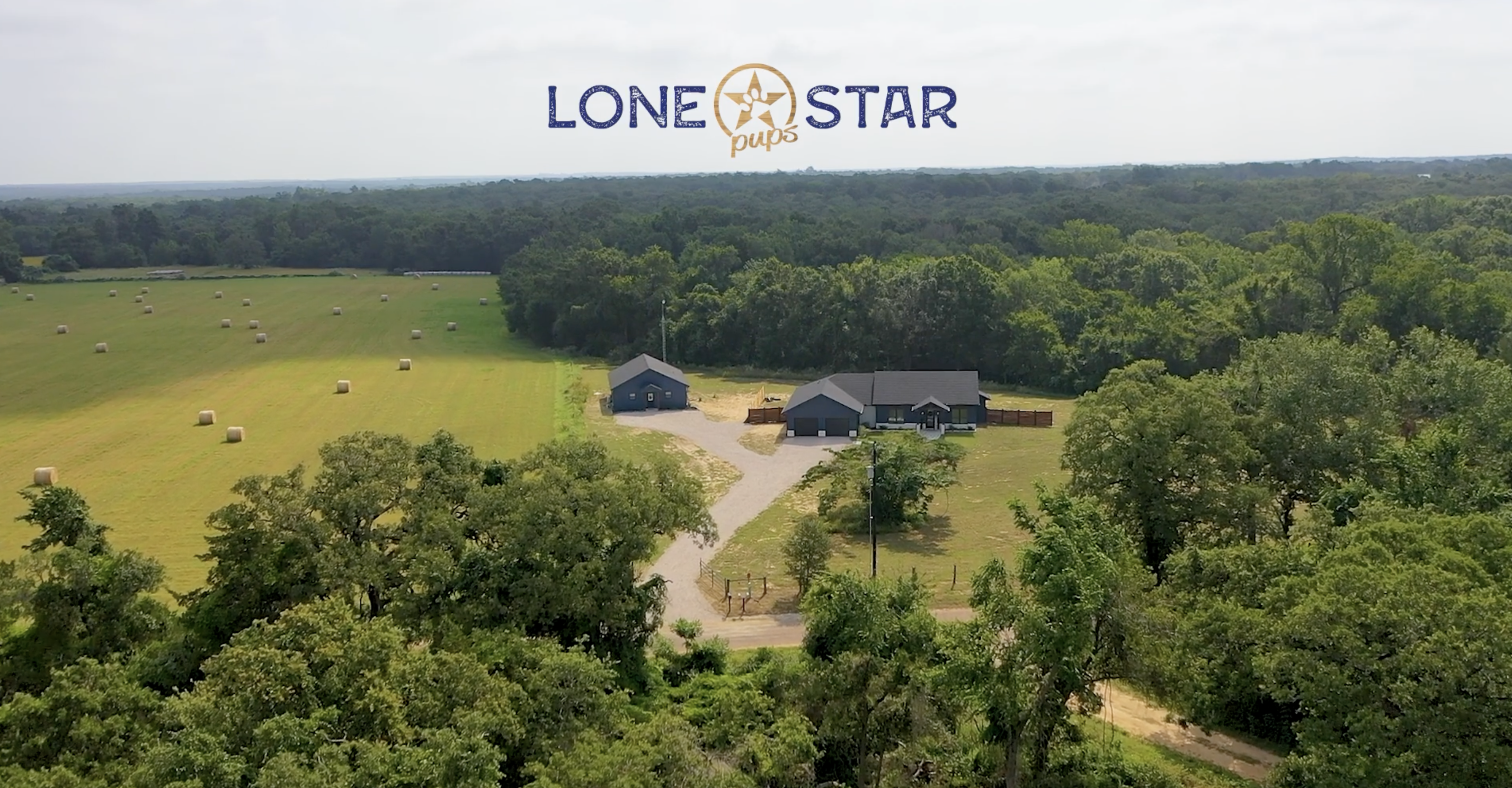
The question “Is Lone Star Pups a broker?” is ultimately a question about structure, oversight, and accountability.
Throughout this article, we have explained:
- What a broker typically does
- How Lone Star Pups is structured
- How standards are established and enforced
- How veterinary oversight is coordinated
- How documentation is provided
- How we remain involved during the transition period
When those elements are viewed together, the distinction becomes clear. A broker connects independent sellers and buyers. Oversight is limited. Standards vary by source. Responsibility is distributed.
Lone Star Pups operates within a centralized, standards-driven program. Oversight is defined. Health protocols are coordinated. Documentation is consistent. Accountability remainsunified. That structural difference is what answers the question.
Families deserve to understand how a puppy is raised, how health standards are applied, and who remains accountable throughout the process. Those answers should be specific, verifiable, and consistent.
Our goal in addressing this topic is not to compete on labels. It is to provide clarity, because informed decisions lead to better outcomes for both puppies and families.
Scroll down to see FAQs about Lone Star Pups.
What To Read Next

Why Puppy Reservation Through Lone Star Pups Feels Different (and Safer)
For many families, reserving a puppy online comes with a fair share of doubt. Between horror stories of scams, unhealthy pups, or shady sellers, it’s no wonder people second-guess the process. And if you’ve been researching for a while, you’ve... Read More
The 11 Most Common Questions People Ask About Lone Star Pups Answered Honestly
We get asked a lot of questions, especially by families who are doing their research. We love that. It means you're careful, and it means you care.
If you're like most of the families who reach out to us, we know that you're not just looking for a puppy.... Read More