EXPERT GUIDANCE
Inside the First 8 Weeks of a Lone Star Pups Puppy

Published Wednesday, February 18, 2026 by Lone Star Pups in New Puppy, Dog Care & Safety
Most families picture the day they bring their puppy home. The tiny paws on the floor. The first night. The excitement. What’s easy to forget is how much has already happened by the time that moment arrives. A puppy’s earliest weeks shape far more than most people realize. By the time a family meets their puppy, the groundwork for health, confidence, and temperament has already taken shape.
Those first eight weeks move quietly. There are no photoshoots or big milestones that make headlines. It’s a slower kind of progress. One that depends on routine, consistency, and careful attention to small changes. At Lone Star Pups, this stage is treated as the foundation of everything that follows. Before pickup day is ever scheduled, before families start planning names and toys, a lot of steady work has already happened behind the scenes.
Table of Contents
The First 8 Weeks
Weeks 1 & 2
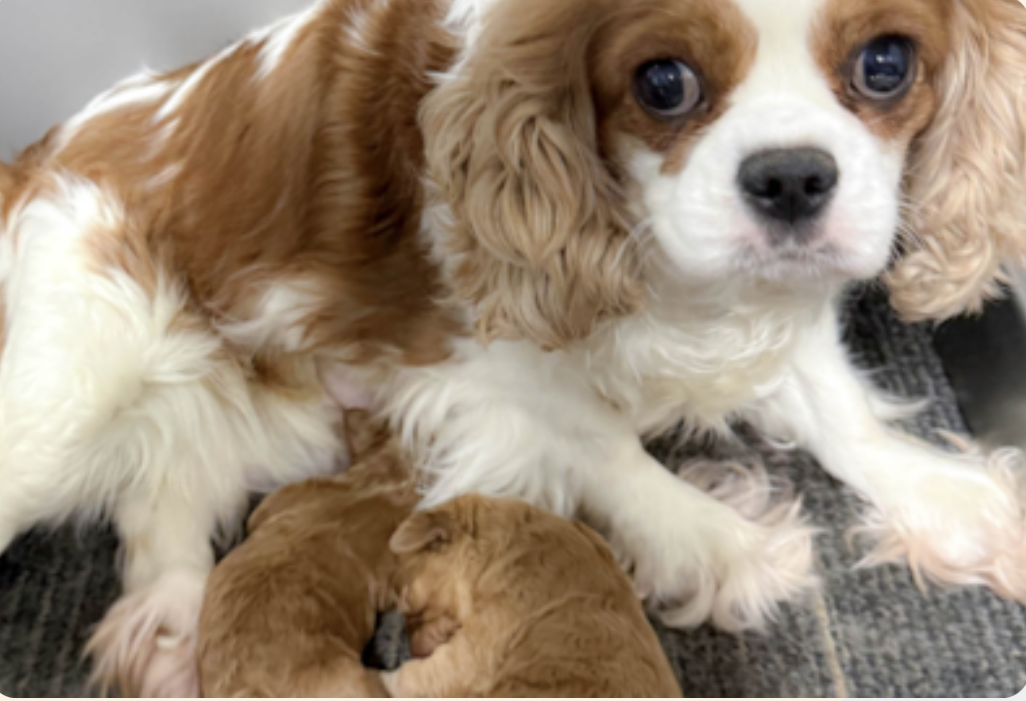
Puppies begin life in a simple way. Warmth. Nursing. Sleep. The early days revolve around the mother and the litter. For the first couple of weeks, there isn’t much movement beyond that. Eyes remain closed. Ears stay folded. The world is mostly felt through touch and scent. Growth happens quietly but quickly. Each day adds a bit more strength. Each day adds a little more awareness.
During this stage, the mother does most of the work. She keeps the puppies warm and fed. She keeps them close. The environment stays calm so that she can focus on caring for them without disruption. This isn’t a time for change or stimulation. It’s a time for stability. Puppies need predictable surroundings in order to grow at a steady pace.
As part of our program, we stay in contact with the breeders during this early period. Not in a way that disrupts the natural rhythm of the litter, but in a way that keeps everyone aware of how development is progressing. Growth is observed. Feeding patterns remain steady. The focus stays on confirming that everything moves forward as expected. There’s nothing dramatic about these first days. When early care feels quiet and consistent, it means things are going well.
Learn About Lone Star Pups' Standards, Health & Oversight
Week 3
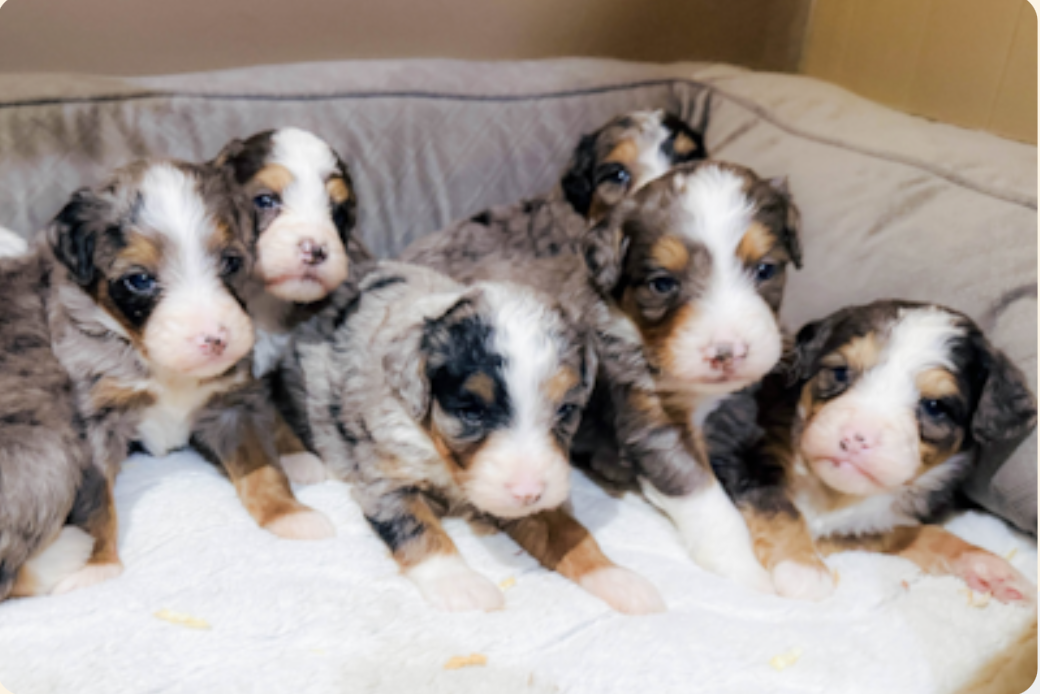
As the third week approaches, small changes begin to show. Eyes open. Movement becomes more deliberate. Puppies attempt to stand and take their first steps. At first, those steps look unsteady and unsure, wobbly to be more exact. Then, gradually, they become more confident. Awareness increases, and puppies start to notice their littermates. They respond to touch and begin to take in the world around them, even if that world is still small.
This stage feels subtle from the outside, but it matters. Early awareness sets the stage for later confidence. Puppies learn what’s familiar and what feels safe. Gentle handling helps them get used to human presence. Routine sounds become part of their environment. Nothing happens all at once. It’s a gradual process, and it works best when it stays that way.
See Lone Star Pups' Puppy Health Standards
Week 4
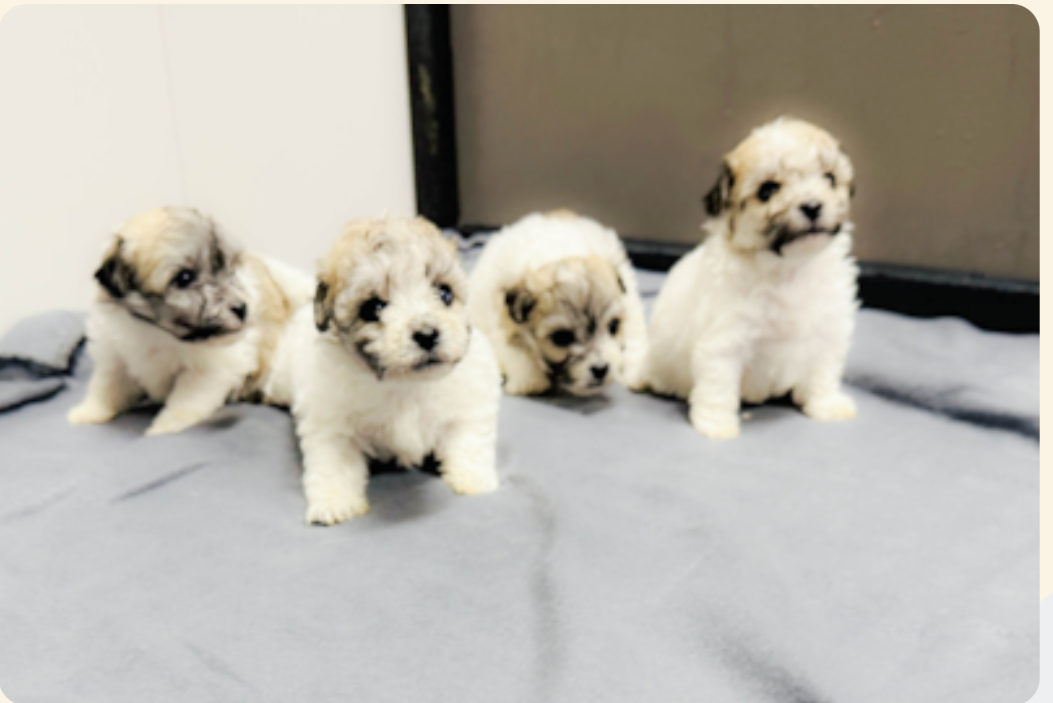
By the fourth week, the litter starts to feel more active. Puppies move more freely. They explore short distances. They interact with each other through play. This is where early social behavior begins to take shape. They learn boundaries through small corrections from their littermates. They learn how to engage without overwhelming each other. These lessons don’t come from training sessions. They come from daily interaction within the litter.
During this time, the environment still stays controlled and predictable. Sudden changes don’t help. What helps is routine. Feeding happens on schedule and handling happens calmly. The mother continues to guide the litter. This steady pace supports both physical growth and early behavior.
See The Puppy Development Plan At Lone Star Pups
Weeks 5 & 6
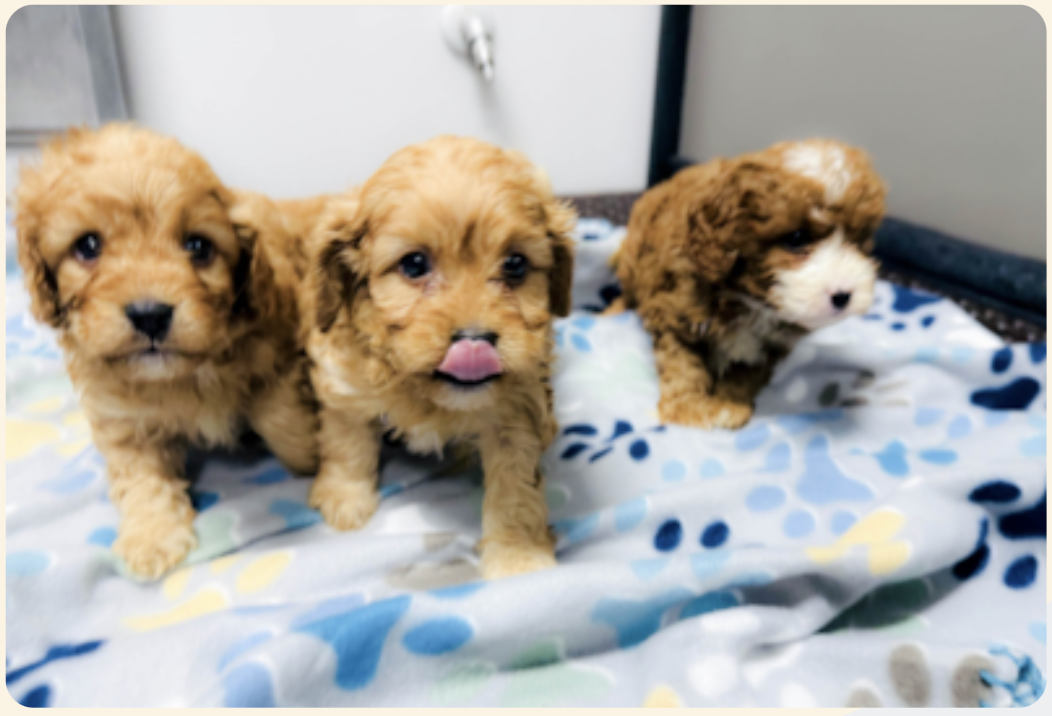
Weeks five and six bring more noticeable development. Puppies become more coordinated. They begin transitioning toward soft food while still nursing. Their personalities start to show in small ways. One puppy may move toward new sounds more quickly. Another may hang back and observe before joining in. These differences are normal. They help shape how each puppy approaches the world later on.
Handling continues during this stage. Puppies become more comfortable with human interaction. They begin to recognize familiar routines. Exposure to everyday sounds helps them adapt more easily when they eventually leave their early environment. There’s no rush to push them forward. The goal is steady progress, not fast progress.
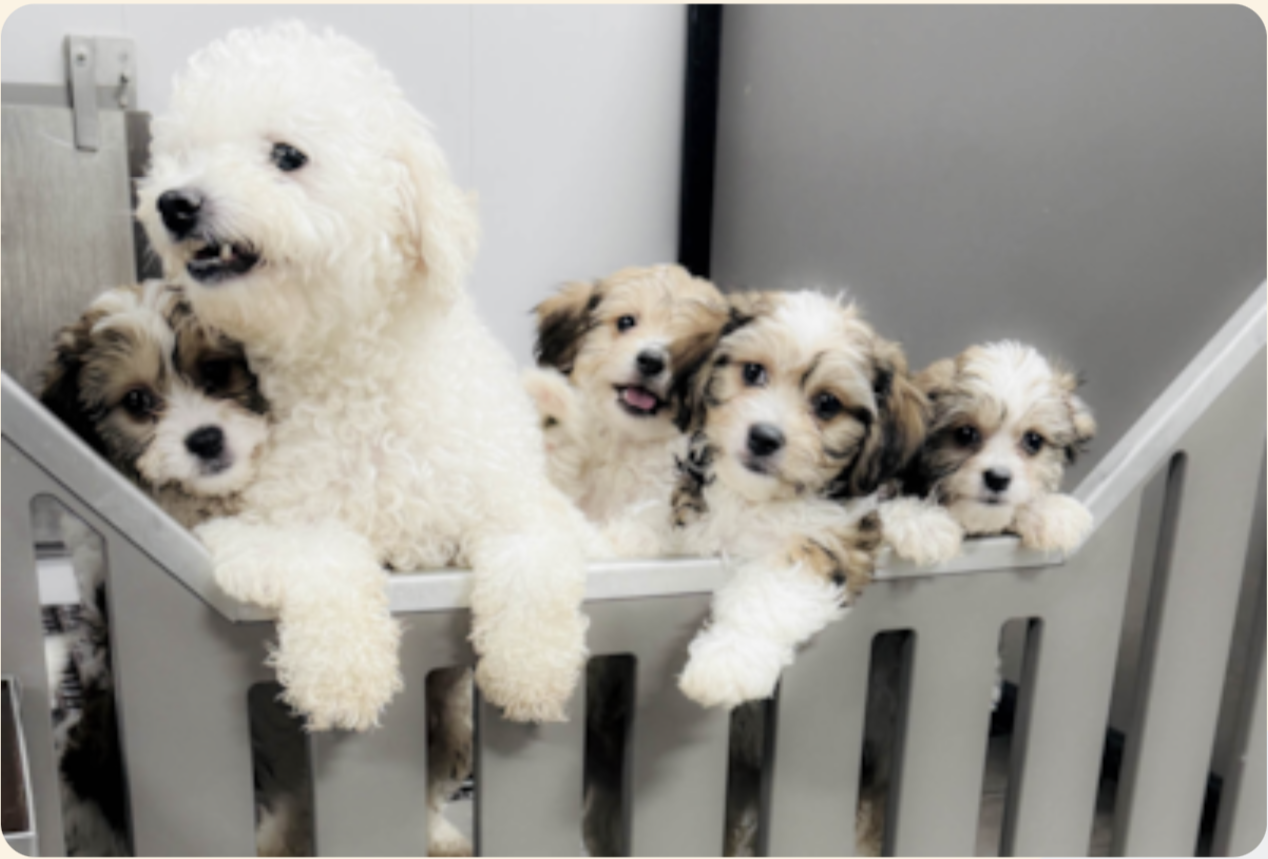
Development is observed and growth is confirmed. Any questions about readiness get addressed early rather than later. This helps avoid surprises and keeps the process moving in a steady direction. The focus remains on making sure each puppy reaches the next stage at the right time.
See Lone Star Pups' Breeder Standards
Weeks 7 & 8

By weeks seven and eight, confidence becomes more visible. Puppies move with more purpose. They respond more consistently to people and routine activity. At this point, it becomes possible to start thinking about what comes next. Still, nothing happens until readiness is clear. Age matters, but health condition matters just as much. A puppy should not move forward until both support the transition.
This early period tends to pass quietly, but it leaves a lasting impact. A puppy that grows within stable routines and steady care often adjusts more easily when the time comes to join a new home. The first weeks set expectations. They shape how a puppy responds to change and they help build the confidence needed for the transition ahead.
Families don’t always see this part of the journey. By the time they meet their puppy, the earliest work has already been done. What they do see is the result of those first weeks. A puppy that feels steady. One that adapts more easily. One that arrives ready to begin the next chapter.
RELATED: Why Puppy Reservation Through Lone Star Pups Feels Different (and Safer)
Early Socialization and Environmental Exposure

During the first eight weeks, social development happens gradually and almost quietly. Puppies learn through routine contact with their litter, their mother, and the people who care for them each day. This early exposure does not rely on formal training. It relies on consistency, calm handling, and predictable surroundings that allow puppies to build confidence without feeling overwhelmed.
As the weeks progress, puppies continue receiving calm handling and routine interaction. They hear everyday sounds. They experience normal activity around them. They begin to recognize patterns in their environment. This steady introduction to the world helps them adjust more smoothly when it’s time to leave the litter and move into a new home.
RELATED: The 11 Most Common Questions People Ask About Lone Star Pups Answered Honestly
Health Monitoring and Early Veterinary Care

Health during the first eight weeks is monitored closely and consistently. Growth, feeding patterns, and overall condition are observed throughout development. Weight gain is tracked to confirm steady progress. Nursing and early feeding transitions are watched carefully. Small changes can signal larger issues, so attention to detail matters during this stage.
Routine care follows established timelines. Puppies receive age-appropriate deworming and early veterinary evaluations. Their health condition is observed regularly to make sure they remain active, alert, and developing as expected. These checks do not interrupt the natural rhythm of the litter. They support it by confirming that each puppy is progressing at a healthy pace.
Parent dog health also plays a role in early outcomes. Attention to the mother’s health helps support stable development for the litter. Nutrition, environment, and routine care for the mother influence how puppies grow during these early weeks. Monitoring extends beyond the puppies themselves and includes the overall stability of the environment they are raised in.
By the time puppies approach the end of this stage, their health and development have been observed across multiple weeks. Growth patterns, behavior, and general health help guide decisions about readiness for the next step. This ongoing monitoring allows transitions to happen based on health rather than assumption and helps ensure that puppies move forward only when they are prepared to do so.
RELATED: The Health Guarantee That Makes All The Difference When Buying a Puppy
When Preparation Becomes Intentional
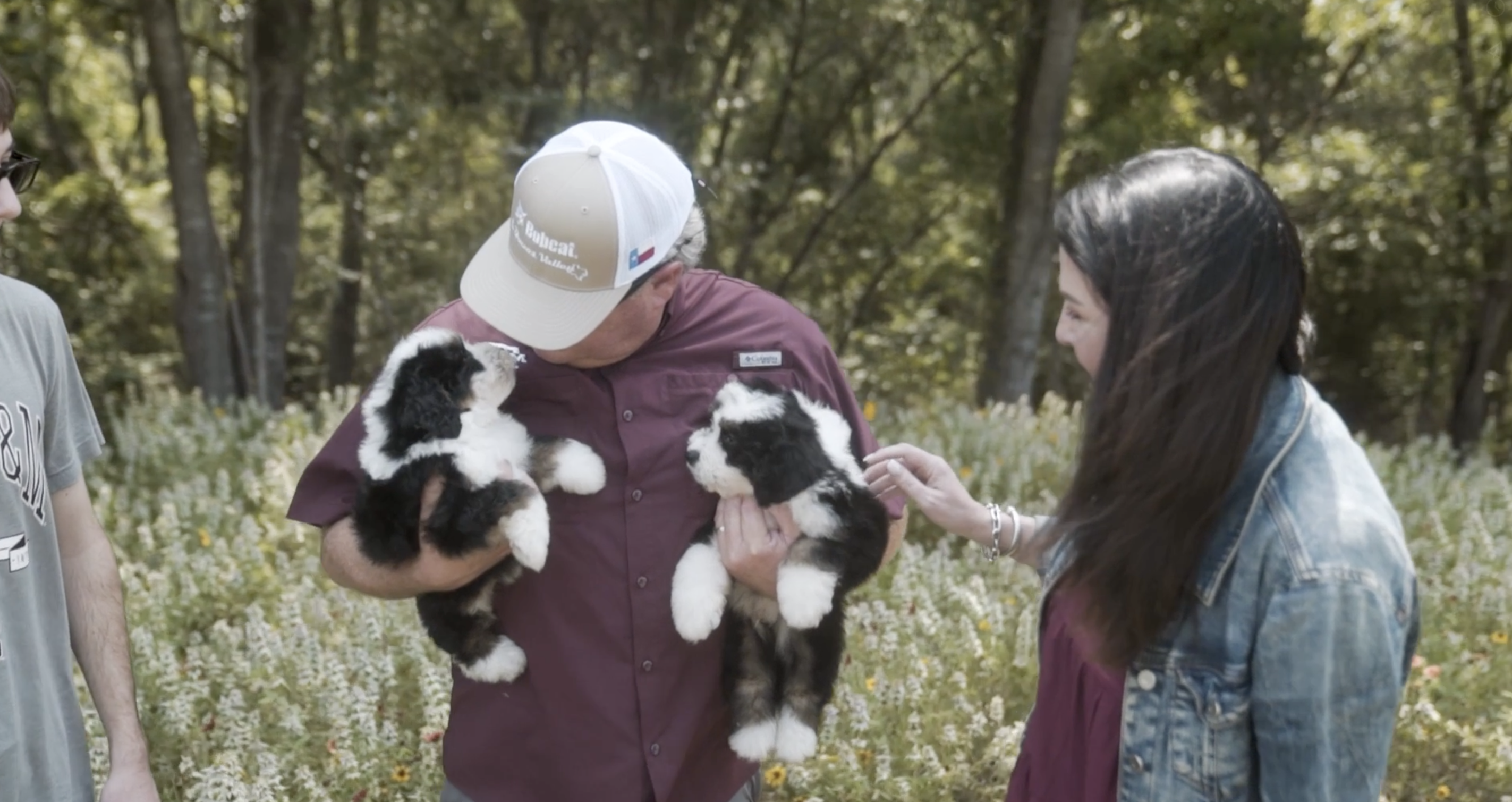
By the time a puppy reaches the end of those first weeks with its litter, the most delicate stage of development has already taken place. Strength has built gradually and awareness has grown. Routine has shaped expectations. The environment has remained steady enough for confidence to form in small, quiet ways.
This is usually the point when families begin to think about pickup day. For the puppy, though, there is still one more stage before that moment arrives.
At Lone Star Pups, placement does not happen directly from the breeder’s home into a family’s home. Once puppies reach the appropriate age, they move into a final stage of preparation and review. This step helps bridge the gap between early life with the litter and the transition into a new environment.
The shift is handled carefully. A young puppy benefits from a predictable transition that confirms readiness before anything moves forward.
When puppies arrive for this stage, the priority is a thorough nose-to-tail health inspection as well as other health tests needed to confirm their overall health. This includes fecal tests as well as eye, movement, abdominal, and other point inspections. Their overall health is observed closely. Weight, alertness, and general development all matter. This is not a quick glance or a formality. It’s a chance to confirm that each puppy is ready for placement in a clear, documented way. If anything seems off, plans pause until the concern is addressed. Readiness matters more than timing.
During this period, puppies continue to receive calm handling and routine interaction. The goal is not to overwhelm them with new experiences, but to help them adjust gradually to a different setting while maintaining the stability they have known so far. The transition from one environment to another can feel big to a young puppy, even when handled gently. A short period of preparation helps soften that shift.
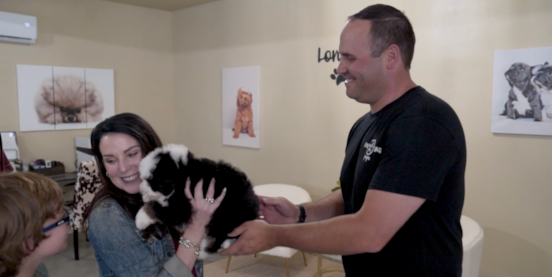
Families often imagine the moment they first meet their puppy, but there’s value in this quieter stage beforehand. It allows time to confirm that the puppy feels steady and prepared. It allows Lone Star Pups to review health condition and make sure everything aligns with the standards expected.
Once preparation is complete and readiness is clear, pickup or transportation is coordinated. This step involves more than scheduling a time and location. Families receive guidance about feeding routines, early sleep patterns, and the first few days at home. Small details matter here. A puppy that moves from one routine to another without preparation can feel unsettled. Clear expectations help prevent that.
RELATED: Lone Star Pups Breeders: Why Ethical Breeders Matter More Than Ever
Homecoming
For many families, the day their puppy comes home feels like the beginning. In reality, it’s the continuation of a process that started weeks earlier. The first night at home may include some restlessness. New sounds and new spaces take getting used to. That adjustment is normal. What helps is consistency. Feeding at familiar times. A quiet place to sleep. A calm introduction to the new environment.
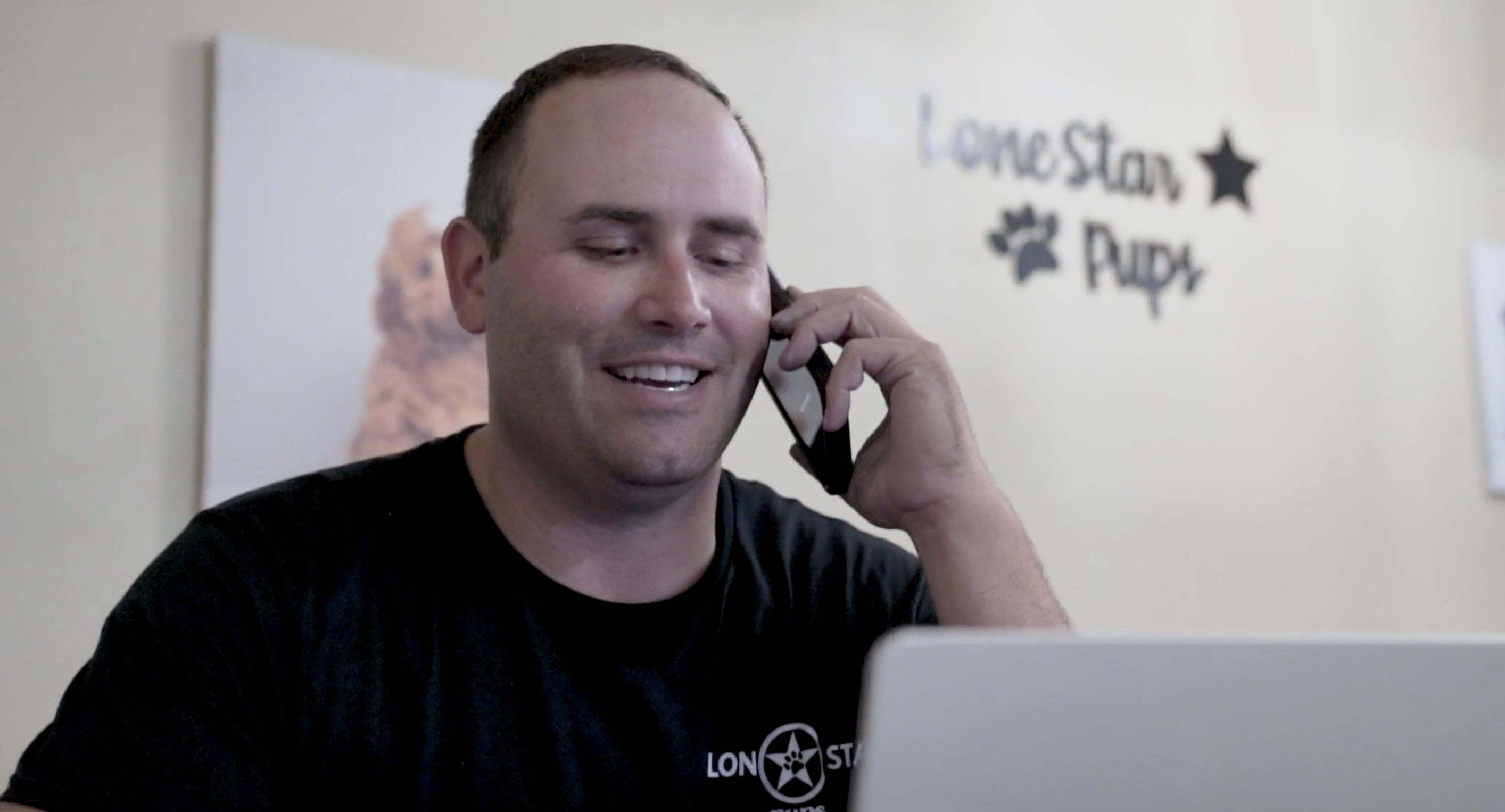
Lone Star Pups remains available during this early period for guidance when needed. Questions often come up about feeding, sleep, and early behavior. Most of them have simple answers, but it helps to have reassurance during those first days. If something more urgent arises, direct communication allows families to reach out and get timely support.
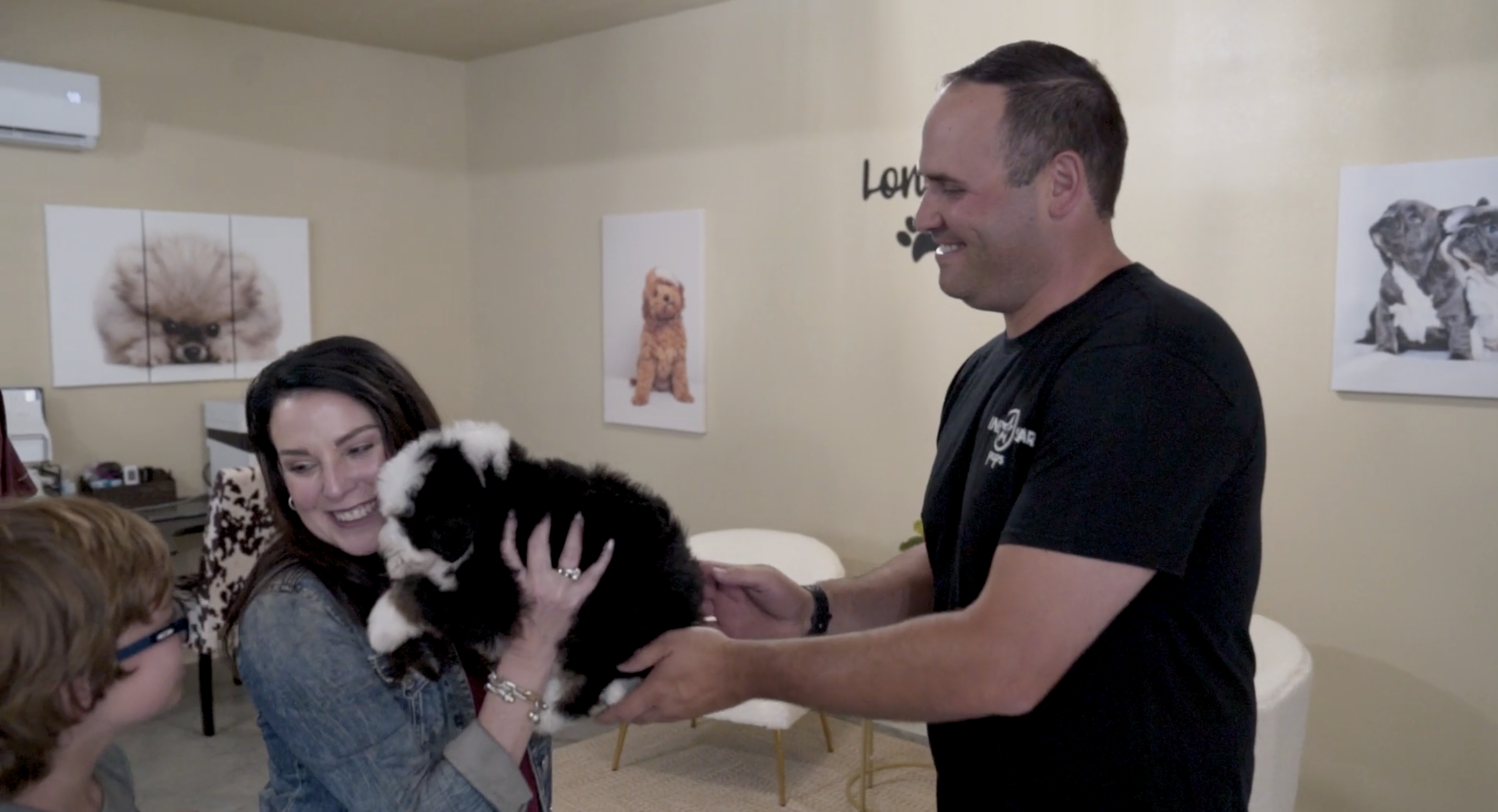
The goal during this transition is steadiness. Puppies adjust best when routines are predictable and expectations are clear. The early structure they experienced in their first weeks carries forward into this stage. That continuity helps them settle in more smoothly.
RELATED: What Real Families Say About Lone Star Pups: A Closer Look at Customer Stories
Final Thoughts

Looking back, the first eight weeks tend to pass quietly. They don’t always come with big milestones or memorable events. Most of the progress happens in small increments. A bit more strength each day. A bit more awareness and a bit more confidence. By the time a puppy is ready to go home, those small increments have added up to something meaningful.
It’s easy to focus on the moment a puppy arrives in a new home. That moment is important. It’s exciting. It’s the start of a new relationship. But it helps to remember that the foundation for that moment was built earlier. Careful routines. Steady growth. Quiet observation. A final stage of preparation that confirms readiness rather than assuming it.
When families bring their puppy home, they’re joining a journey that started weeks before they were part of it. The first chapter unfolded in a calm environment with the mother and litter. The next chapter included preparation and Lone Star Pup’s personal touch. What comes after that is the life the puppy will build with its new family.
Those early weeks don’t need to be dramatic to matter. They simply need to be handled with patience, dedication, and attention. When they are, the transition into a new home feels less abrupt and more like a natural next step. Ready to add more joy to your life? See our available puppies for sale.
Scroll down to see FAQs about the first 8 weeks of a puppy’s life at Lone Star Pups.
What To Read Next

The 11 Most Common Questions People Ask About Lone Star Pups Answered Honestly
We get asked a lot of questions, especially by families who are doing their research. We love that. It means you're careful, and it means you care.
If you're like most of the families who reach out to us, we know that you're not just looking for a puppy.... Read More
Is Lone Star Pups a Broker? Process, Standards +more
Choosing a puppy is one of the most meaningful decisions a family can make, and it’s also one that deserves complete honesty from everyone involved. In a world where hundreds of puppy websites appear online, it’s natural for thoughtful buyers to pause... Read More